Galati Yachts AI ChatBot
Powered by AI
Find exactly what you're looking for...
1123 Yachts
For buyers moving into a larger yacht, the most meaningful upgrade is often how comfortably everyone can spend time aboard. Multiple staterooms provide privacy for family and guests, while separate salons, outdoor dining areas, and lounges allow different activities to take place throughout the day. Depending on the model, features such as outdoor grills, refrigeration, and dedicated crew accommodations can make extended cruising and entertaining more practical.
Buying pre-owned offers the opportunity to evaluate an established yacht’s actual layout, cruising performance, and maintenance history rather than relying solely on specifications. Well-equipped brokerage yachts may already include stabilizers, upgraded electronics, and tender-handling equipment. Immediate availability can also be an advantage over new construction. Compare usable range, storage, and guest circulation against your intended itinerary. For longer stays aboard, explore our guide to the best liveaboard motor yachts.
Different builders prioritize interior volume, cruising performance, and onboard operation.
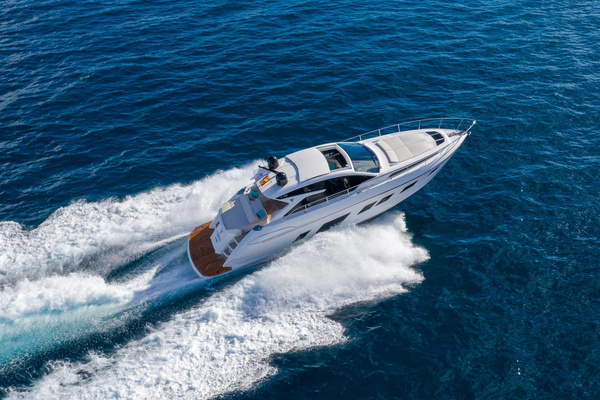
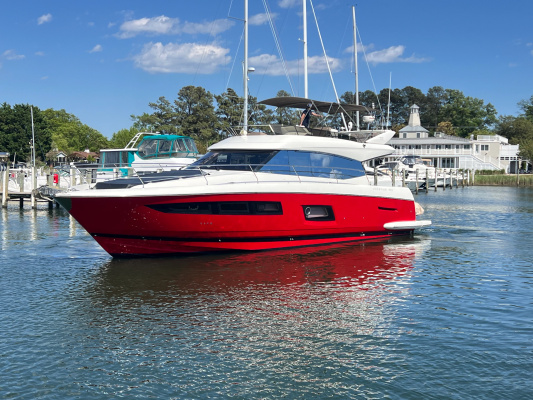
Princess Yachts: Y Class models balance contemporary accommodations, outdoor living, and performance-oriented cruising.
Ocean Alexander: Larger motor yachts with substantial interior volume, crew facilities, and extended-cruising amenities.
Azimut: Modern motor yachts with distinctive styling, innovative deck arrangements, and varied propulsion configurations.
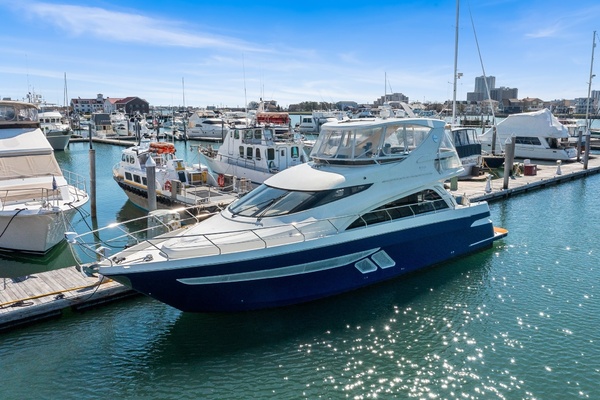
Prestige Yachts: F-Line motor yachts known for spacious interiors, contemporary design, and thoughtful layouts that connect indoor and outdoor living areas.
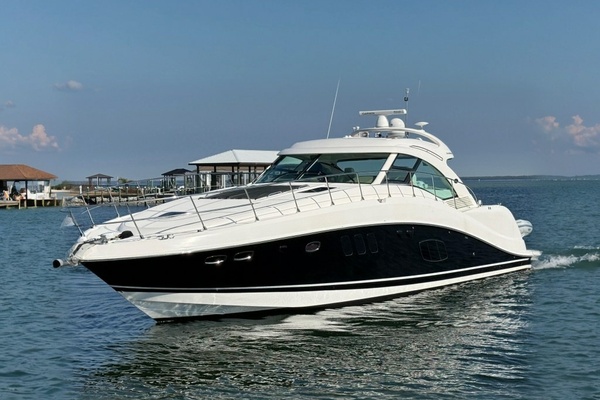
Sunseeker: Performance-focused yachts offering generous exterior entertaining areas and contemporary interiors.
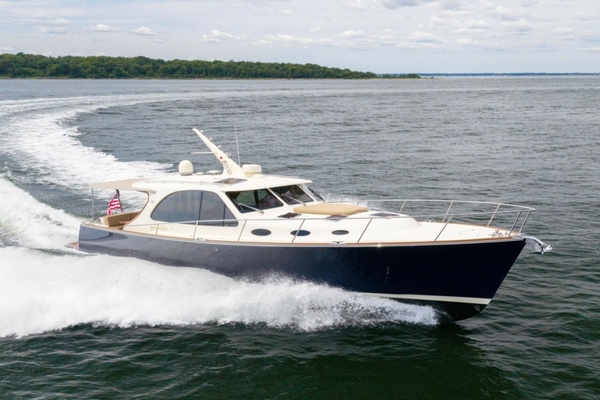
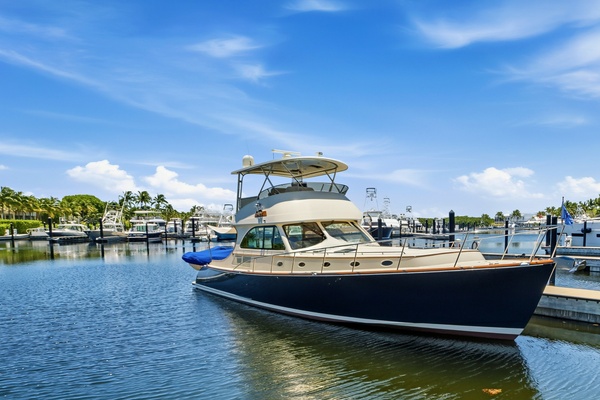
Hatteras: Established American-built motor yachts valued for substantial construction, traditional accommodations, and long-range cruising potential.
Builder, length, age, and specifications establish a motor yacht’s market position, but mechanical condition and operating history can create significant differences between comparable listings. Review engine hours alongside service intervals, major overhauls, and documented maintenance rather than treating hours as a standalone measure.
Stabilization systems, cruising range, generator capacity, navigation electronics, and crew accommodations also influence value. A recent refit may justify a premium when the work is documented and addresses major systems. Conversely, deferred maintenance, aging equipment, or structural concerns identified during survey can materially affect the purchase decision. Compare asking prices with relevant sold-yacht data and anticipated post-purchase expenses.
Crew requirements depend on yacht size, complexity, and owner involvement. Many motor yachts under approximately 60 feet are owner-operated, while larger yachts may benefit from a captain and additional crew. Around 80 feet and above, professional staffing becomes increasingly common. Insurance requirements and intended cruising plans also influence the decision.
A superyacht is generally a larger, professionally crewed luxury yacht, commonly classified at approximately 78 feet or more. The distinction is not universally standardized, and many superyachts are motor yachts. Larger luxury yachts typically require more extensive crew, management, and operational planning. Explore superyachts for sale to compare options.
Annual operating expenses include crew, dockage, insurance, fuel, maintenance, haul-outs, and periodic equipment replacement. A commonly cited budgeting estimate is approximately 10% of the yacht’s purchase value annually, but actual costs vary substantially. Yacht age, cruising frequency, location, staffing, and unexpected repairs can move expenses above or below that guideline.
Professional management can be valuable when a motor yacht has permanent crew, complex maintenance schedules, or frequent travel between destinations. Management services may coordinate staffing, budgets, compliance, insurance, maintenance, and provisioning. Owners who operate smaller yachts locally may manage these responsibilities themselves, depending on their available time and experience.
Potentially, provided the yacht meets applicable charter, registration, insurance, and safety requirements. Charter revenue may offset some operating expenses, but commercial use adds wear, management responsibilities, and scheduling restrictions. Charter eligibility and financial results vary by boat and jurisdiction. Consult qualified charter, legal, insurance, and tax professionals before committing.
Looking for the right motor yacht? Connect with a Galati yacht broker to explore available options, schedule a private showing, or discuss the next steps in your purchase.



© 2026, GALATI YACHT SALES. All Rights Reserved. Site designed by James Ross Advertising.
900 S Bay Blvd, Anna Maria, Florida, 34216, United States
ADA Statement | Privacy Policy | Terms of Use | Sitemap


Compare (0/3)